In today's fast-changing world of skincare, you really can’t ignore the importance of the ingredients in your products. I remember talking to Dr. Jane Patel, a well-known dermatologist at the Skin Beauty Institute, and she mentioned, “Getting the right cosmetic ingredients can totally transform your skin, but honestly, not all ingredients are created equal.” That really hits home when you realize how crucial it is to choose your skincare components wisely.
Ingredients in cosmetics do a whole lot — from keeping your skin hydrated to fighting the signs of aging. They’re what push the beauty industry forward, offering solutions tailored to all kinds of skin types and concerns. Take hyaluronic acid, for example — it’s super popular because of how well it can lock in moisture. But here’s the thing — not every product with hyaluronic acid works the same way. The magic often depends on how much is in there and what other ingredients it’s paired with.
Now, a lot of brands boast they’ve got the best formulas, but honestly, it’s a bit more complicated than that. Sometimes, it’s hard for us consumers to really know what ingredients suit our skin best. Plus, marketing hype can make things even more confusing. So, it’s super important to read those labels carefully. Knowing what’s in your products isn’t just about looking good — it’s also about keeping your skin and your health safe. The more you learn about cosmetic ingredients, the better you can make choices that truly benefit you, whether it’s in your everyday skincare or even in larger industrial and cosmetic applications.
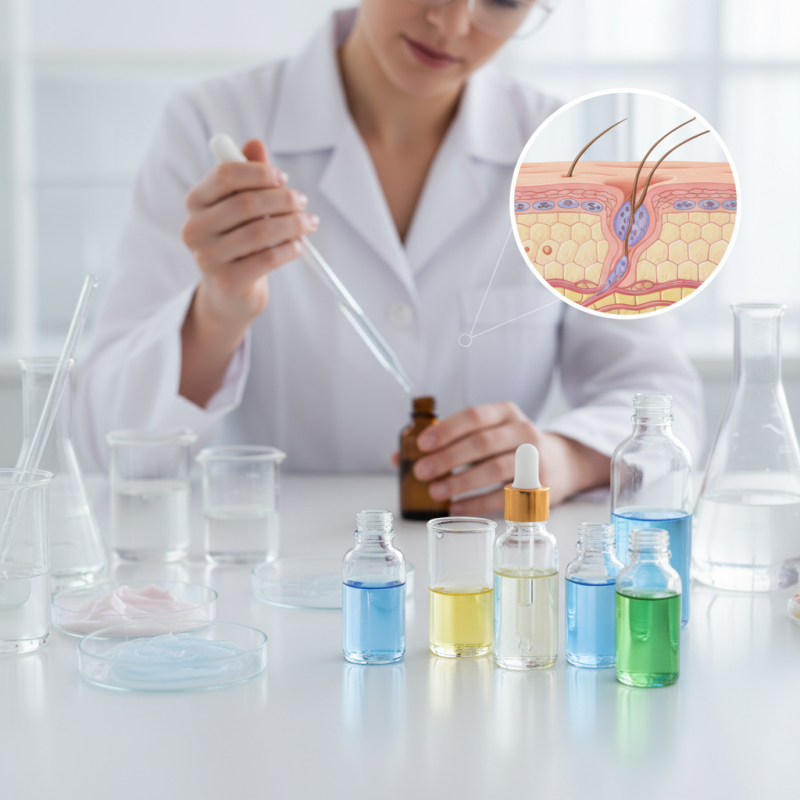
Definition of Cosmetic Ingredients in Skincare Products
Cosmetic ingredients in skincare products play a crucial role in how those products function and benefit the skin. These ingredients can range from emollients to active agents that target specific skin concerns. Understanding these components is essential for making informed choices about skincare.
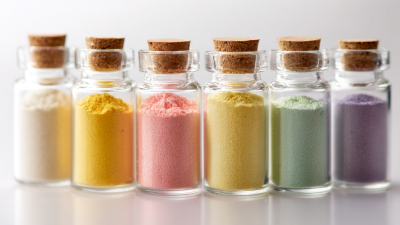
One intriguing ingredient is Beetroot Powder. It is known for its antioxidant properties and essential vitamins. Beetroot powder helps improve skin tone and can provide a natural glow. While many appreciate its benefits, some may experience sensitivity. This highlights the importance of patch testing new products. The diverse range of cosmetic ingredients means that what works for one person may not work for another.
Skincare formulations often combine various ingredients to enhance effectiveness. However, this can lead to confusion. For instance, some people may misuse products expecting immediate results. It’s vital to research and understand each ingredient’s purpose. Not all formulations will suit every skin type. We must acknowledge that individual reactions to products vary widely, reminding us that skincare is not one-size-fits-all.
What is the Role of Cosmetic Ingredients in Skincare Products?
| Ingredient | Function | Commonly Found In | Skin Type |
| Hyaluronic Acid | Hydration | Moisturizers, Serums | All Skin Types |
| Salicylic Acid | Exfoliation, Acne Treatment | Cleansers, Spot Treatments | Oily, Acne-Prone |
| Retinol | Anti-Aging, Cell Renewal | Creams, Serums | Dry, Mature |
| Vitamin C | Brightening, Antioxidant | Serums, Moisturizers | All Skin Types |
| Niacinamide | Skin Barrier Support, Reducing Redness | Moisturizers, Serums | All Skin Types |
Classification of Common Cosmetic Ingredients
Cosmetic ingredients play a significant role in skincare products. They can be classified into several categories based on their functions and properties.
Emollients are one category of cosmetic ingredients. They provide moisture and soften the skin. Ingredients like oils and butters are common examples. They work on the surface to create a protective barrier. However, not all emollients suit every skin type. Some may cause breakouts or irritation, requiring careful consideration.
Another important class is active ingredients. These address specific skin concerns, such as acne or aging. Ingredients like retinoids and hyaluronic acid fall into this category. They can offer dramatic results but may also lead to sensitivity or dryness. Users must patch-test new products to avoid adverse reactions.
Lastly, there are preservatives, essential for product longevity. They prevent microbial growth but can be controversial. Some may cause allergic reactions. It's vital for consumers to assess their sensitivities when choosing products with these ingredients. Understanding these classifications allows for better decisions in skincare routines.
Functions of Active Ingredients in Skincare
Active ingredients in skincare products serve crucial roles in promoting skin health. These components target specific skin concerns, like dryness, acne, or aging. For example, hyaluronic acid draws moisture into the skin, providing hydration and plumpness. Retinoids, derived from vitamin A, encourage cell turnover, helping to diminish fine lines and improve skin texture.
Not all active ingredients are suitable for every skin type. Some may cause irritation, especially for sensitive skin. It's important to patch test new products before widespread use. Additionally, many consumers struggle with ingredient labels. Understanding the role of each ingredient can lead to better choices for your skincare routine. Knowledge empowers users to select products that align with their specific needs, avoiding harmful reactions.
Consulting a skincare professional can further enhance your understanding of these active ingredients. They can provide personalized advice based on skin type and concerns. Remember, effective skincare requires patience and a willingness to experiment. Finding the right combination may take time, but the results can be rewarding.
Role of Emollients and Humectants in Moisturization
Emollients and humectants are vital in skincare formulations. They play a central role in moisturizing the skin. Emollients provide a smooth texture, making skin feel soft. They create a barrier that reduces water loss, promoting hydration.
Humectants attract moisture from the environment. They draw water into the skin, helping to maintain hydration levels. Some common humectants include glycerin and hyaluronic acid. These ingredients can enhance the skin's elasticity, giving it a plump appearance.
Using both emollients and humectants can result in healthier skin. However, the right balance is essential. If too much of one ingredient is used, it can lead to greasy skin or dryness. It's crucial to understand how each ingredient works and its role in skin health. Careful selection of Health Ingredients tailored to individual skin types can optimize results. Keeping track of skin reactions can provide insights for future product choices.
What is the Role of Cosmetic Ingredients in Skincare Products?
This chart illustrates the relative importance of different types of cosmetic ingredients in the moisturization process of skincare products. Emollients play a primary role, followed by humectants and occlusives, each contributing to the overall effectiveness of moisturizers.
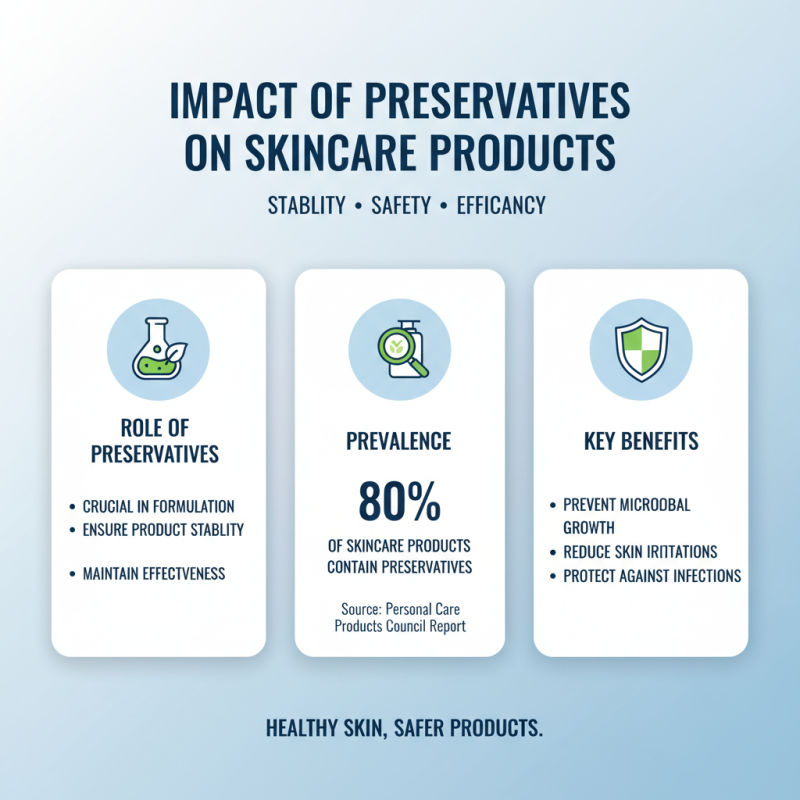
Impact of Preservatives on Product Stability and Safety
Preservatives play a crucial role in the formulation of skincare products. They ensure that products remain stable and effective over time. According to a report from the Personal Care Products Council, nearly 80% of skincare items contain preservatives. This inclusion helps prevent microbial growth, which can lead to skin irritations or infections.
While preservatives are essential, their impact on safety must be considered. Some studies suggest that certain preservatives, like parabens, may cause allergic reactions in sensitive individuals. The European Commission’s Scientific Committee on Consumer Safety indicates that while approved preservatives are generally safe, vigilance is necessary. Not all preservatives are equal; their effectiveness and safety profiles vary widely.
Product stability is also linked to the type of preservatives used. For instance, formulations with low pH levels may require different preservatives compared to those with neutral pH. This complexity highlights the need for ongoing research and evaluation. As consumer awareness grows, manufacturers must balance safety, efficacy, and consumer preferences when choosing preservatives. Keeping the product free from harmful microorganisms should not compromise skin safety.
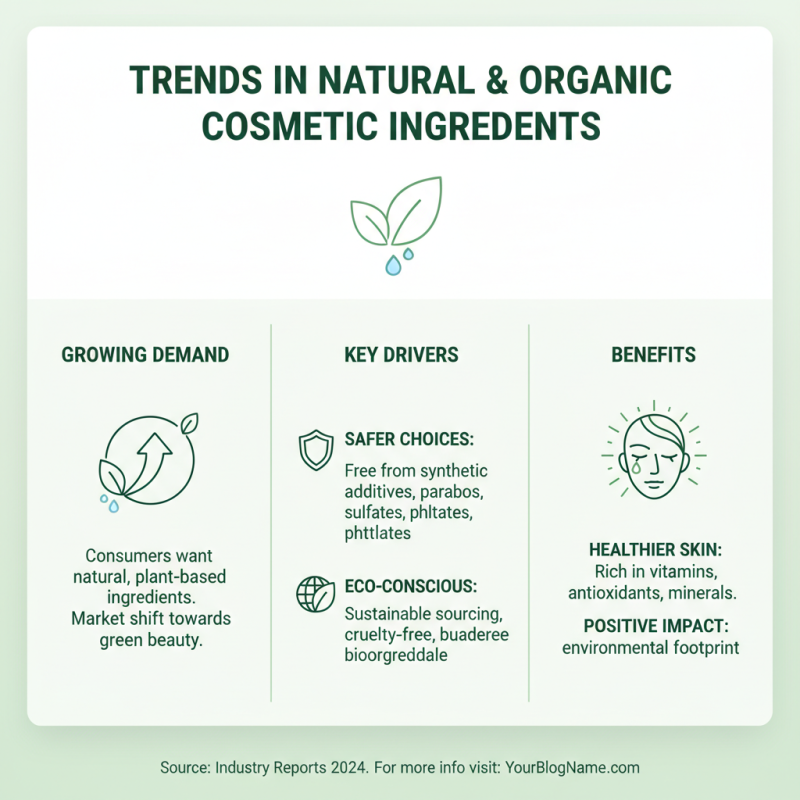
Trends in Natural and Organic Cosmetic Ingredients
The trend towards natural and organic cosmetic ingredients continues to grow. Many consumers seek products that are free from synthetic additives. This shift indicates a desire for safer, more eco-conscious choices in skincare.
Vegetable Powder Ingredients have gained popularity. These powders, derived from various plants, offer unique properties. They can act as gentle exfoliants or provide nourishment. For instance, green tea powder is rich in antioxidants. It supports skin health effectively. However, not all vegetable powders are suitable for every skin type. Some may cause irritation or allergic reactions.
The cosmetic industry must address these challenges. Transparency about ingredient sourcing and usage is essential. Brands need to educate consumers on how to choose products wisely. It can be difficult to navigate the vast options available. Listening to personal skin needs is crucial to making informed decisions.
Regulatory Standards for Cosmetic Ingredient Safety and Efficacy
Cosmetic ingredients are regulated to ensure safety and efficacy. Various organizations oversee these standards globally. For instance, in the EU, the Cosmetics Regulation (EC) No 1223/2009 mandates rigorous safety assessments before product launches. This ensures that consumers use products that do not pose health risks.
The Cosmetic Ingredient Review (CIR) assesses ingredients' safety based on scientific data. They examine studies and toxicological data to classify ingredients. Reports show that 95% of reviewed ingredients deemed safe for use in cosmetics. However, gaps remain in research, particularly regarding long-term effects of new synthetic compounds.
Natural Food Ingredients are gaining popularity as alternatives in formulations. Many consumers prefer products with fewer synthetic components. However, even natural substances can cause allergic reactions or irritations. Continuous monitoring is essential to keep pace with evolving consumer preferences.
Transparency in ingredient sourcing and testing can enhance trust and safety. The industry must reflect on the balance between innovation and safety.
FAQS
: Emollients provide moisture and soften the skin. They create a protective barrier using oils and butters.
Not all emollients suit every skin type. Some may cause breakouts or irritation.
Active ingredients target specific concerns like acne or aging. They can deliver noticeable results but may cause sensitivity.
It's important to patch-test new products before widespread use to avoid adverse reactions.
Yes, preservatives prevent microbial growth and extend product longevity, but some may cause allergic reactions.
Assess your skin type and concerns. Understanding ingredients helps in making better choices.
Many consumers prefer natural products, seeking safer, eco-conscious skincare options.
Some natural ingredients, like vegetable powders, may irritate sensitive skin or cause allergic reactions.
Consulting a skincare professional can provide personalized advice based on your skin's needs.
Effective skincare requires patience and experimentation. Finding the right combination may take time.
Conclusion
Cosmetic ingredients play a crucial role in skincare products, serving as the foundation for their effectiveness and appeal. These ingredients can be classified into various categories, including active ingredients that provide specific skin benefits and emollients and humectants that improve moisturization. The function of these active ingredients varies, targeting concerns such as hydration, anti-aging, and skin barrier protection. Additionally, preservatives are vital for maintaining product stability and safety, ensuring that formulations remain effective over time.
The trend towards natural and organic cosmetic ingredients reflects a growing consumer preference for safer and environmentally friendly options. As the industry evolves, understanding the regulatory standards governing these ingredients is essential to ensure their safety and efficacy. Overall, the selection and use of cosmetic ingredients are fundamental to the success of skincare products, influencing not only their performance but also consumer trust and satisfaction.