In today’s super competitive pharma world, finding top-quality ingredients for medicines is more important than ever. It’s really about making sure your products work well and meet all those strict regulations. Just check out the latest Pharmaceutical Supply Chain report by GlobalData — they’re saying the global market for pharmaceutical ingredients could hit a jaw-dropping $300 billion by 2025. That just shows how high the demand is for raw materials that are safe and perform at the highest standard.
Now, navigating this tricky landscape isn’t easy. Companies need solid strategies for sourcing ingredients that fit their specific manufacturing needs while also ticking all the regulatory boxes. The International Pharmaceutical Excipient Council points out that the quality of excipients — those are the inactive ingredients in meds — can really make or break the safety and effectiveness of the final product. That's why choosing reliable suppliers who follow Good Manufacturing Practices (GMP) and have the right certifications is absolutely essential.
To really succeed, it pays off to do thorough supplier assessments, tap into industry networks, and keep an eye on the latest market trends. By focusing on quality and compliance, not only can companies improve the quality of their products, but they can also protect their reputation in an industry that's constantly evolving and under tight regulatory pressure. It’s all about playing it smart and making sure you get the best ingredients out there.

Understanding the Importance of Quality Pharmaceutical Ingredients
Understanding the importance of quality pharmaceutical ingredients is paramount for businesses in the healthcare sector. High-quality ingredients play a crucial role in ensuring the safety, efficacy, and reliability of pharmaceutical products. When sourcing these ingredients, businesses must consider factors such as purity, consistency, and compliance with regulatory standards. The integrity of the supply chain also significantly impacts the quality of the final product, as subpar ingredients can lead to ineffective medications, safety concerns, and potential harm to patients.
In addition, the sourcing process involves a thorough evaluation of suppliers to ensure they adhere to Good Manufacturing Practices (GMP) and other relevant quality assurance protocols. Developing strong relationships with trusted suppliers can provide access to high-quality raw materials and foster collaboration in meeting specific business needs. Investing time and resources in understanding market trends and supplier capabilities will enable businesses to make informed decisions, ultimately leading to improved product outcomes and customer satisfaction in the competitive pharmaceutical landscape.
Identifying Reliable Suppliers for Pharmaceutical Ingredients
When sourcing pharmaceutical ingredients, identifying reliable suppliers is crucial to ensure product safety and efficacy. Start by evaluating potential suppliers based on their certifications and compliance with industry standards such as Good Manufacturing Practices (GMP). A supplier with a proven track record of regulatory compliance can provide assurance that the ingredients meet the necessary quality benchmarks. Additionally, look for suppliers with established reputations in the industry, which often indicates a history of dependability and quality assurance.
Another key aspect in the selection process is the supplier's transparency and willingness to share information regarding sourcing practices and ingredient specifications. Suppliers should provide detailed documentation, including Certificates of Analysis (CoA) and Safety Data Sheets (SDS), to demonstrate the quality of their products. Engaging in open communication with potential suppliers can also help establish a trustworthy relationship. Regular audits and visits can further verify their operational integrity and quality control processes, ensuring that your business receives the highest quality pharmaceutical ingredients possible.
Evaluating Supplier Certifications and Compliance Standards
When sourcing quality pharmaceutical ingredients, evaluating supplier certifications and compliance standards is crucial to ensure that products meet safety and quality requirements. A thorough understanding of industry certifications, such as Good Manufacturing Practices (GMP), is essential as they indicate that the supplier adheres to defined quality controls throughout the manufacturing process. Compliance with regulations established by health authorities demonstrates a commitment to maintaining high standards, which can significantly impact the efficacy and safety of the ingredients used in your formulations.
Moreover, suppliers should provide clear documentation supporting their certifications and compliance standards. This includes audits, inspection reports, and any necessary documentation that illustrates their operations and quality management systems. By performing due diligence and verifying this information, businesses can mitigate risks associated with sourcing subpar ingredients. Additionally, engaging in open communication with suppliers regarding their compliance measures can foster a stronger partnership, ultimately leading to more reliable supply chains and improved product outcomes.
Assessing Ingredient Quality Through Testing and Verification
When sourcing pharmaceutical ingredients, the importance of rigorous testing and verification cannot be overstated. Quality assurance starts with a comprehensive understanding of the raw materials and their origins. Establishing relationships with reputable suppliers is crucial, yet it is equally important to implement robust testing protocols to evaluate the quality of the ingredients. Various analytical techniques, such as High-Performance Liquid Chromatography (HPLC) and Mass Spectrometry (MS), provide insights into the purity and potency of these substances, ensuring they meet the required standards for safety and efficacy.
Verification processes should also include ingredient traceability, which allows businesses to track the source of their materials back to their origin. This ensures adherence to safety regulations and helps in assessing the possible risk factors associated with the supply chain. Regular audits of suppliers, coupled with a stringent evaluation of Certificates of Analysis (CoAs), can further enhance the quality control measures.
By emphasizing testing and verification in the sourcing process, businesses can mitigate risks and maintain the integrity of their pharmaceutical formulations, ultimately leading to better outcomes for their end-users.
Establishing Long-Term Relationships with Suppliers
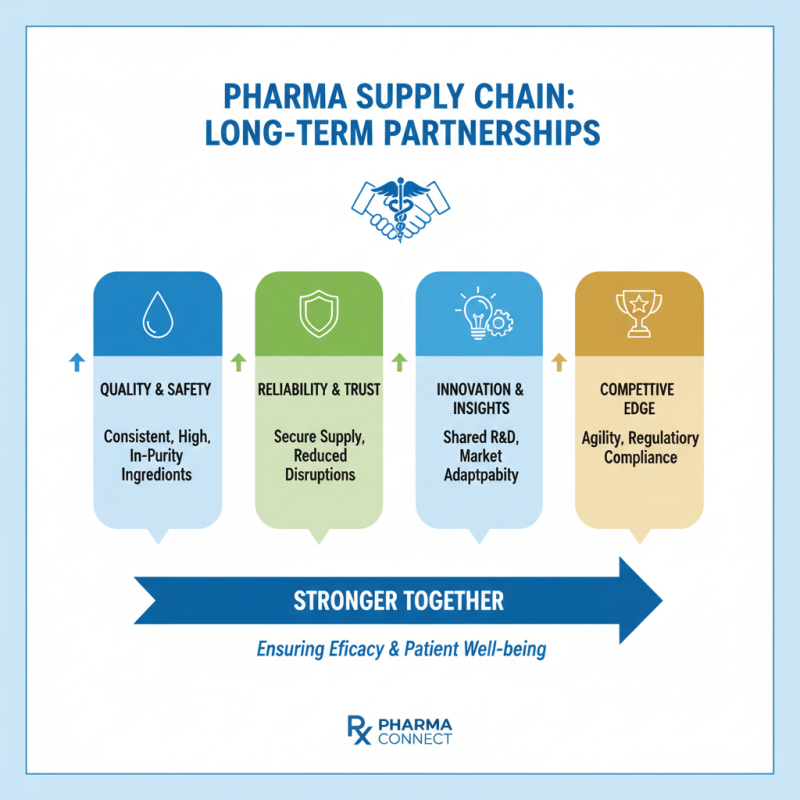
Establishing long-term relationships with suppliers is crucial for businesses in the pharmaceutical industry. The quality of pharmaceutical ingredients directly impacts product efficacy and safety, making it essential to collaborate with reliable suppliers. By nurturing these relationships, companies can ensure a consistent supply of high-quality materials while also benefiting from shared insights and innovations. Strong partnerships enable businesses to stay ahead in a competitive market, allowing them to respond swiftly to changes in demand and regulations.
To cultivate successful relationships, open communication is key. Regular meetings, either virtual or in-person, can facilitate the exchange of feedback, expectations, and industry trends. Moreover, engaging in joint ventures, such as research and development projects, can align goals and foster a sense of teamwork. Providing suppliers with a clear understanding of your business needs and timelines can also enhance collaboration, making it easier for them to deliver the right products at the right time. By investing in these relationships, businesses can not only secure their supply chains but also create a network of trusted partners that contribute to their overall success.
Navigating Global Sourcing Challenges in Pharmaceutical Procurement
Navigating the global landscape of pharmaceutical procurement can be a daunting task, especially when sourcing quality pharmaceutical ingredients. The complexities involved in international supply chains, regulatory compliance, and market volatility can pose significant challenges for businesses. Understanding these nuances is crucial for ensuring that your procurement process remains robust and effective.
One of the key tips for overcoming these challenges is to establish strong relationships with suppliers. Building a network of reliable partners not only streamlines communication but also fosters trust, which is essential for negotiating favorable terms and ensuring consistent quality. Additionally, staying informed about global market trends can help businesses anticipate potential disruptions and adjust their sourcing strategies accordingly.
Another important consideration is the implementation of stringent quality control measures. Conducting thorough evaluations of suppliers through audits and certifications can significantly mitigate the risks associated with sourcing. By prioritizing suppliers that adhere to international quality standards, businesses can enhance their procurement processes and ensure that they receive high-quality pharmaceutical ingredients consistently.
2025 Pharmaceutical Procurement Challenges
Implementing Quality Control Procedures for Ingredient Integrity
Implementing robust quality control procedures is essential for ensuring the integrity of pharmaceutical ingredients. These procedures should begin with comprehensive supplier evaluations, where potential suppliers are assessed based on their operational practices, certification status, and adherence to good manufacturing practices (GMP). By establishing a thorough vetting process, businesses can minimize risks associated with ingredient sourcing and maintain high standards in their final products.
Once suppliers are selected, ongoing quality checks are necessary to ensure that the ingredients received meet specified requirements. This can include routine testing for purity, potency, and contaminants. Utilizing analytical techniques such as high-performance liquid chromatography (HPLC) or mass spectrometry can help in accurately assessing the quality of ingredients. Additionally, maintaining detailed records of each batch received and subjected to testing can provide valuable traceability and accountability in case of discrepancies.
Establishing a culture of quality within the organization is equally crucial. Regular training for staff on the importance of quality control and the correct procedures to follow can enhance overall vigilance in adherence to quality standards. Furthermore, engaging in continuous improvement through feedback loops and audits can lead to the refinement of quality control processes, ultimately ensuring that the sourced pharmaceutical ingredients uphold the highest standards of integrity and safety.
FAQS
: Evaluating supplier certifications is crucial to ensure that products meet safety and quality requirements. Certifications, such as Good Manufacturing Practices (GMP), indicate that suppliers maintain defined quality controls throughout their manufacturing processes, impacting the efficacy and safety of the ingredients.
Suppliers should provide clear documentation including audits, inspection reports, and any necessary information that illustrates their operations and quality management systems. This transparency is essential for businesses to verify compliance and mitigate risks.
Businesses can ensure quality by implementing rigorous testing protocols using analytical techniques like High-Performance Liquid Chromatography (HPLC) and Mass Spectrometry (MS) to evaluate the purity and potency of the ingredients.
Ingredient traceability allows businesses to track the source of their materials back to their origin, ensuring adherence to safety regulations and helping assess potential risk factors associated with the supply chain.
Establishing strong relationships with suppliers and staying informed about global market trends can help navigate challenges in pharmaceutical procurement. Trust and communication with reliable partners are essential for favorable negotiations and consistent quality.
Conducting thorough evaluations of suppliers through audits and certifications can significantly mitigate risks associated with sourcing. Prioritizing suppliers that adhere to international quality standards enhances procurement processes and ensures high-quality ingredients.
Conclusion
In the pharmaceutical industry, sourcing quality Pharm Ingredients is crucial for ensuring product efficacy and safety. Understanding the importance of these ingredients sets the foundation for any business aiming to thrive in a competitive market. Identifying reliable suppliers plays a pivotal role, as it allows businesses to align with partners who meet regulatory requirements and maintain high standards.
Evaluating supplier certifications and compliance is essential for verifying that ingredients meet rigorous industry standards. Moreover, assessing ingredient quality through comprehensive testing and verification ensures that the products meet the required specifications. Establishing long-term relationships with suppliers fosters trust and smooth communication, essential for successful procurement. Navigating global sourcing challenges may arise, but with strategic planning, businesses can implement effective quality control procedures that uphold ingredient integrity, ultimately enhancing their overall product offering.